Bedtime Stories and Sleep Science: How Audio Content Helps Children Fall Asleep
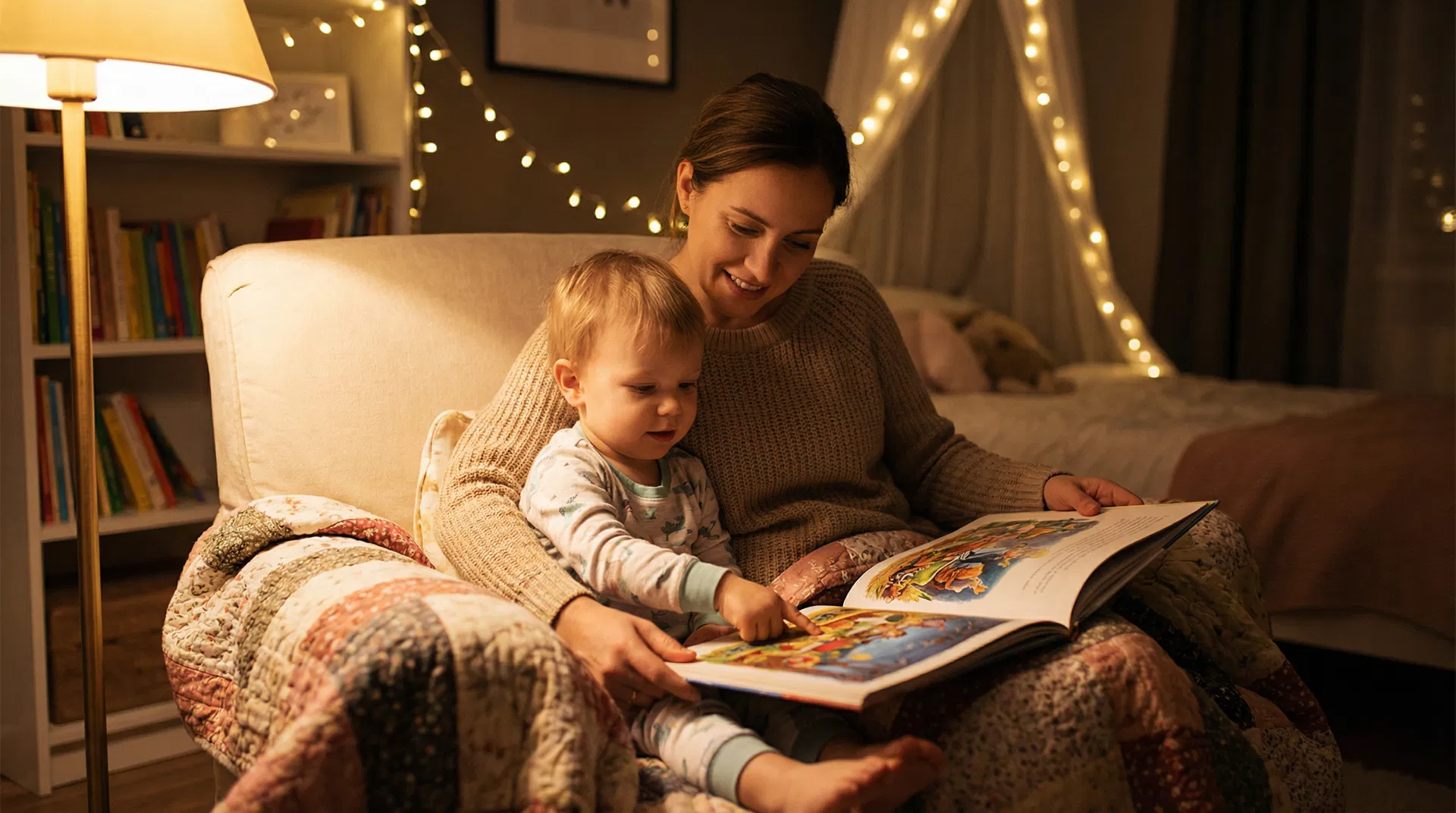
Bedtime stories are one of the oldest sleep tools in human history. But modern sleep science is revealing exactly why they work — and how parents can use audio content strategically to build better sleep habits.
The Science of Story-Based Sleep
Cognitive Load Theory
When a child listens to a story, their brain engages in what researchers call "directed attention." This occupies the prefrontal cortex with narrative processing, which effectively crowds out the anxiety, stimulation, and resistance that often prevent sleep onset.
Parasympathetic Activation
A calm, rhythmic voice triggers the parasympathetic nervous system — the "rest and digest" response. Heart rate slows, breathing deepens, and cortisol levels drop. This is the same mechanism behind guided meditation for adults.
Positive Sleep Associations
When a child consistently hears stories at bedtime, the brain creates a conditioned response: story = sleep time. This is one of the most powerful tools in a sleep consultant's toolkit.
Building a Story-Based Routine
Here's how to incorporate audio stories into your child's sleep plan:
Ages 0-12 Months
- White noise and lullabies are more effective than stories at this age
- Consistent sound cues signal sleep time
- Keep volume low (50-60 dB, about the level of a quiet conversation)
Ages 1-3 Years
- Short stories (3-5 minutes) with repetitive, calming language
- Avoid exciting plots or scary elements
- Nature sounds mixed with gentle narration work well
Ages 3-7 Years
- Longer stories (10-15 minutes) that gradually slow in pacing
- Stories featuring sleep, rest, or calm adventures
- Personalized stories (featuring your child's name) increase engagement
Ages 7-10 Years
- Guided visualizations combined with storytelling
- Progressive muscle relaxation woven into narrative
- Stories that teach self-regulation skills
Digital Tools That Help
The rise of children's sleep audio apps has given parents access to professional-quality bedtime content. Look for apps that offer:
- Professional narration (not robotic text-to-speech)
- Age-appropriate content with proper categorization
- Timer features so audio stops after the child falls asleep
- Variety to prevent boredom while maintaining routine
Partner Resource: SleepyTime by InnerShift offers 90+ professionally narrated bedtime stories for ages 2-10, plus baby sleep sounds and an AI story builder that creates personalized adventures starring your child. It's a great complement to the sleep routines we build at RestWell.
Common Mistakes to Avoid
- Screen-based stories at bedtime — The blue light from tablets and phones suppresses melatonin. Use audio-only content.
- Exciting content — Save adventure stories for daytime. Bedtime stories should be calm and predictable.
- Inconsistency — The routine matters more than the specific story. Same time, same place, same ritual.
- Too much volume — Keep it quiet enough that the child needs to be still and focused to hear.
Integrating Stories Into Your Sleep Plan
At RestWell, we often recommend bedtime stories as the final step in a wind-down routine:
- Bath time (15 minutes before bed)
- Pajamas and teeth brushing
- One bedtime story (5-15 minutes depending on age)
- Lights out with white noise or sleep sounds
The story becomes the bridge between wakefulness and sleep — a predictable, calming transition that the child looks forward to rather than resists.
Want a customized bedtime routine [blocked] for your child? Explore our sleep packages [blocked] or read more articles [blocked].
RestWell Resources: bedtime routine guide [blocked]
Related Articles
Explore more evidence-based sleep guidance from RestWell:
- Establishing a Bedtime Routine That Works [blocked]
- Building the Perfect Bedtime Routine: A Step-by-Step Guide by Age [blocked]
- The Ideal Bedtime Routine: What Research Says Actually Works [blocked]
- Screen Time and Sleep: What Every Parent Needs to Know [blocked]
- Toddler Sleep Challenges and Solutions [blocked]


